_edited_edi.png)
The Ultimate Guide to Luxury Landscape Protection: Everything You Need to Succeed After a Northeast Ohio Storm

Living in Northeast Ohio means embracing a landscape that is as beautiful as it is volatile. From the sudden lake-effect snow squalls that can dump inches in an hour to the high-intensity spring thunderstorms that roll through Shaker Heights and Beachwood, our weather is no joke. For owners of luxury estates in Cuyahoga County, a storm isn’t just a weather event; it’s a direct threat to a significant financial and emotional investment.
Whether you are looking at a downed heritage oak or a flooded custom patio, the steps you take in the hours following a storm will determine if your landscape bounces back or requires a total overhaul. At Greenside Landscapes 24/7, we’ve seen how quickly a pristine estate can be compromised, and we’ve mastered the art of restoration. This guide will walk you through the immediate "triage" steps, long-term recovery, and how to design for ultimate resilience.
Immediate Action: The First 48 Hours After the Storm Hits
When the clouds clear and the wind dies down, your first instinct might be to grab a rake or a chainsaw. Hold that thought. The post-storm period is a high-stakes window where safety and documentation take precedence over aesthetics.
1. Prioritize Safety and Infrastructure
Before you step foot onto the lawn, perform a visual scan from a safe distance. Northeast Ohio storms are notorious for bringing down power lines and weakening large tree limbs that may not fall until hours after the wind stops.
Downed Power Lines: If you see a sagging or downed line, stay at least 30 feet away and call the utility company immediately.
Hanging Limbs (Widow-Makers): Look up. Large branches caught in the canopy of other trees are incredibly unstable.
Structural Instability: Check your retaining walls and slopes for new cracks or signs of "sliding," especially if the ground is saturated.
2. Document Damage for Insurance and HOA Compliance
For high-end properties in Shaker Heights or Beachwood, maintaining the aesthetic standards of your neighborhood is often a legal requirement. Before you move a single branch, take high-resolution photos and videos.
Wide Angles: Capture the full scale of the damage across the property.
Close-Ups: Document cracked trunks, uplifted pavers, or washed-out garden beds.
Time Stamps: Keep a log of when the storm hit and when the damage was discovered. This is vital for emergency storm cleanup insurance claims.
Saving Your Living Investment: Plant and Tree Care
Your trees and garden beds are the soul of your landscape. In luxury estate management, many of these specimens are decades old and impossible to replace overnight.
Assessing Specimen Trees and Heritage Oaks
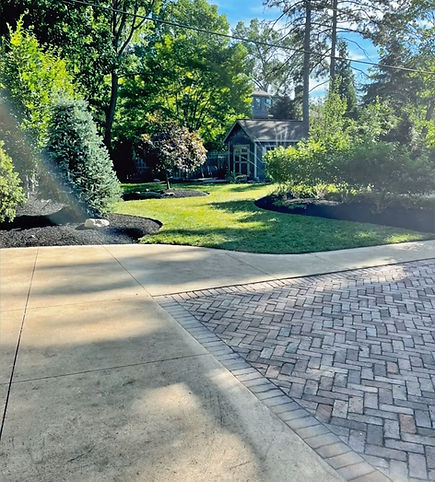
Mature trees add immense value to your property, but they are also the most vulnerable to high winds. After a storm, look for "root plate movement": this is when the soil at the base of the tree begins to mound or lift. This is a sign of a failing root system and requires an immediate call to a professional arborist. If a tree is leaning where it wasn't before, it’s an emergency.
Rescuing Saturated Turf and Foundation Plantings
Standing water is the enemy of a healthy lawn. If your grass remains submerged for more than 24 hours, the roots can begin to suffocate.
Clear the Drains: Ensure that mulch, leaves, and debris aren't blocking your catch basins or swales.
Avoid Compaction: Never drive heavy equipment (or even walk excessively) on waterlogged soil. This crushes the air pockets in the soil, leading to long-term drainage issues.
Prune with Purpose: For smaller shrubs, only prune branches that are truly broken. Wait a few weeks before doing any "aesthetic" pruning to see which parts of the plant naturally recover.
Hardscape Forensics: Protecting Patios and Outdoor Kitchens
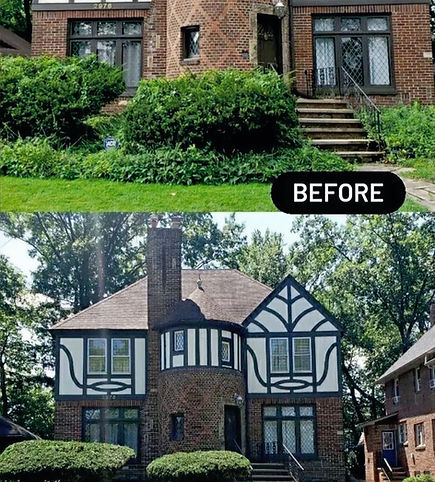
Luxury landscapes in Northeast Ohio often feature complex hardscapes, from stamped concrete driveways to intricate paver patios. These structures are often the first to show signs of subsurface water damage.
Identifying Subsurface Failures
Water is incredibly patient; it will find every tiny crack and exploit it. After a heavy rain, check your hardscapes for:
Hollow Sounds: Tap on stone or concrete areas. A hollow sound suggests that the base material has washed away, creating a void.
Settled Pavers: If specific areas of your patio are sinking, it’s a sign that your drainage system is failing.
Joint Sand Loss: If the sand between your pavers has washed out, the stones can shift and crack. This needs to be replenished immediately to maintain structural integrity.
Outdoor Kitchen and Lighting Check
If you have an outdoor kitchen or custom lighting, moisture is your biggest threat. Check all GFI outlets to ensure they haven't tripped, and inspect gas lines for any signs of movement or stress caused by shifting soil.
Advanced Water Management: Turning Erosion into Aesthetics
If the last storm left your mulch in the neighbor's yard, your property has a drainage problem. In the "Alvarez Strategy" of landscape design, we don't just hide water; we manage it elegantly.
French Drains and Dry Creek Beds
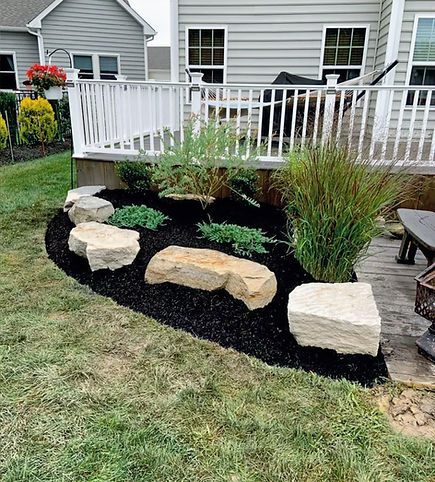
For estates with rolling lawns or slopes, a French drain can be a lifesaver. By installing a perforated pipe surrounded by gravel, you can redirect water away from your foundation and toward a safe discharge point. If you want a more natural look, a "dry creek bed" uses river stones and boulders to create a beautiful feature that only "comes to life" during a storm, safely funneling runoff.
Permeable Paver Systems
One of the best ways to protect your landscape is to prevent runoff in the first place. Permeable pavers allow water to seep through the joints and back into the ground, reducing the pressure on your local Shaker Heights sewer system and keeping your property drier.
The Long Game: Designing a Storm-Resilient Estate
True luxury is peace of mind. While we can't stop the weather, we can design landscapes that stand their ground. When we plan luxury landscape designs in Cleveland Heights, we prioritize resilience from day one.

1. Smart Tree Siting
Never plant "sail-like" trees (those with dense, heavy canopies) too close to the home. Instead, use them in groupings to act as a windbreak for the rest of the property.
2. Native Plantings
Native Ohio species have deep root systems designed to handle our cycles of saturation and drought. They are naturally more "anchored" than exotic imports and require less maintenance after a weather event.
3. Motorized Protection
For homeowners with high-end pavilions or pergolas, motorized weather screens can protect your furniture and outdoor appliances from driving rain and wind-blown debris with the touch of a button.
Why a 24/7 Maintenance Partner is Your Estate's Best Defense
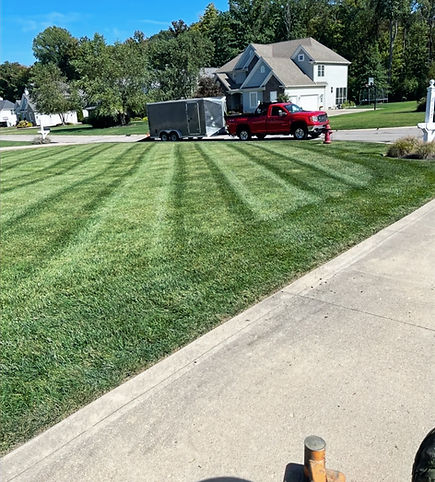
The difference between a "landscaper" and an estate maintenance partner is the level of proactive care. At Greenside Landscapes 24/7, we don't just wait for your call after a storm; we are often on-site before the clouds even break.
The Benefits of Proactive Maintenance
Pre-Storm Pruning: We identify weak limbs before they become projectiles.
Drainage Audits: We ensure your systems are clear before the 100-year rain event hits.
Emergency Response: When the big one hits, our 24/7 commercial and residential teams are ready to mobilize, ensuring your property is the first one restored in the neighborhood.
Managing a luxury estate in Northeast Ohio is a full-time job. Between the seasonal shifts and the sudden Lake Erie storms, your landscape needs a watchful eye and a professional hand. Don't wait for the next "big lake effect" to find out where your property is vulnerable.
Ready to fortify your estate against the elements? Whether you need an immediate post-storm assessment or a long-term plan for storm resilience, Greenside Landscapes 24/7 is here to help. Explore our portfolio of luxury transformations or contact us today to schedule a comprehensive estate drainage and health audit. Let’s make sure your landscape stays as resilient as it is beautiful.
Comments